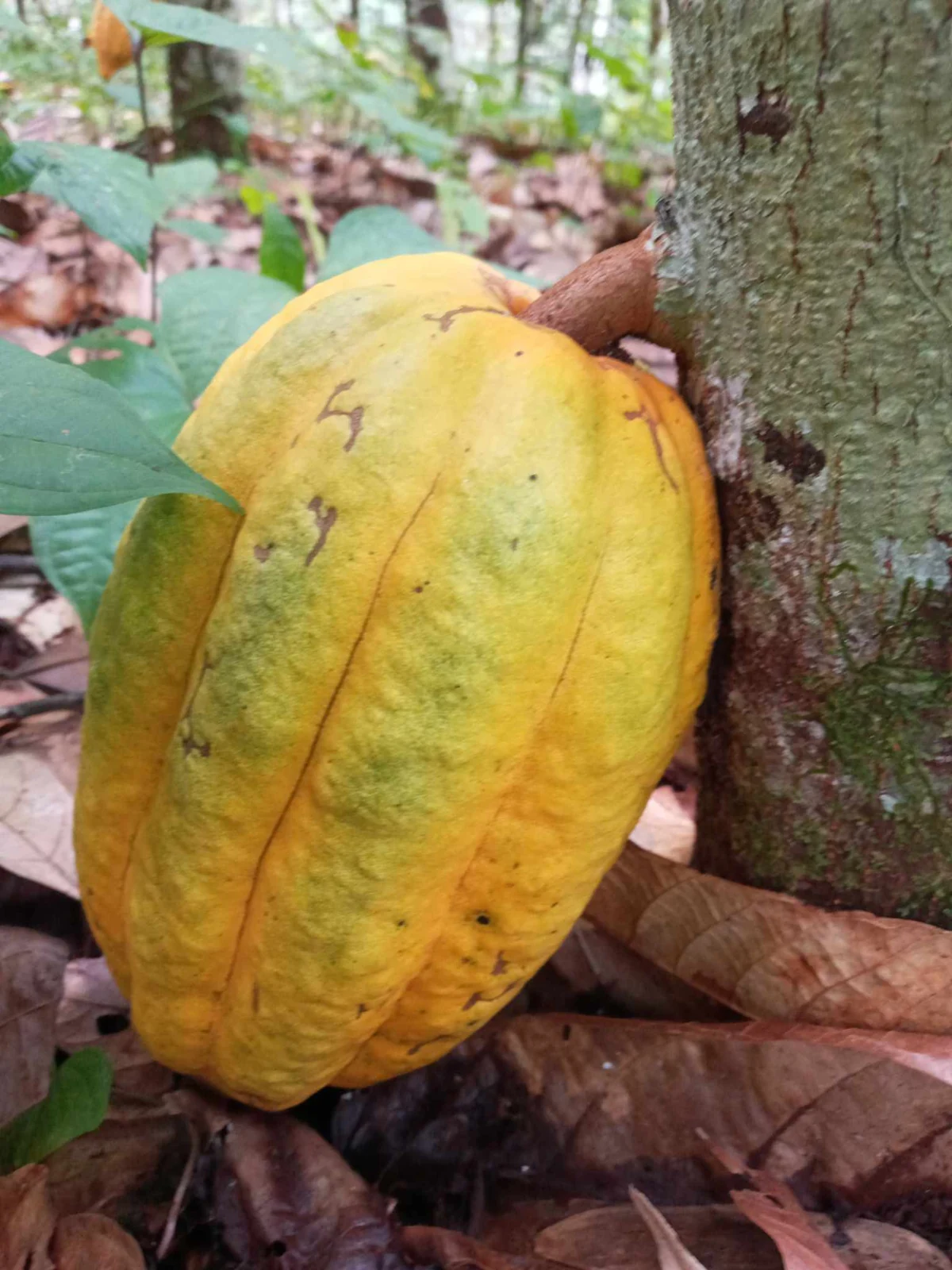
In Situ Means in Its Ecological Setting
Our proposed research program centers on cacao in the landscapes where it grows. Field observation should distinguish naturally occurring, historically managed, planted and nursery-grown trees. A planted collection can complement in situ work; it does not by itself establish that trees are wild or that a property contains unique genetic material.
A Research Agenda with Useful Questions
Priority questions include flowering and fruiting calendars, shade conditions, regeneration, pollinator habitat, tree health and harvest quality. Comparative work on cacao and cupuaçu could connect observations with propagation and post-harvest trials. These are proposed lines of inquiry, not published findings or active university affiliations.
The Nursery and Shade House
The proposed central shade house is approximately 50 yards long and 3 yards wide—45.7 by 2.7 meters, or about 125 square meters. It would support seedlings, propagation trials and planting material for participating Huottuja members. Layout, water supply, plant hygiene and provenance records belong in the implementation plan.
From Observation to Evidence
A useful field record identifies the tree, observation date, habitat, identification method and observer. Photographs and repeat visits help document change. Genetic identity, exceptional rarity and resistance traits require appropriate testing. Sensitive locations and community knowledge should not be published automatically.
Bring a Research Proposal
We welcome university and independent research inquiries. Describe your question, methods, dates, team, funding, equipment, proposed samples and expected outputs. Community agreement, applicable permits, data access, authorship, compensation and benefit-sharing must be settled before fieldwork.
Milestones that Make the Station Real
The development sequence is to agree community protocols; establish a baseline inventory and mapped observation plots; construct the nursery and essential field infrastructure; then host approved projects and publish authorized results. Funding should be linked to defined deliverables and documented progress.